
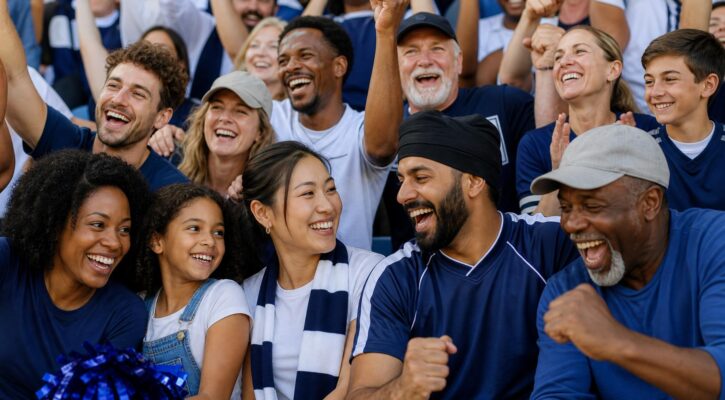
Breaking Barriers: The Unexpected, Unifying Power of Sports Worldwide
August 24, 2026
Sports, rooted in physicality, skill, and competition, transcend language, culture, and political barriers, emerging as a universal mode of communication and a powerful agent of change. It has the potential to bridge cultural, racial, and political gaps and foster global unity in numerous ways.
1. Breaking Stereotypes: Sports provide a platform where talents, not cultural or ethnic backgrounds, matter. Athletes are judged based on their abilities, teamwork, determination, and sportsman spirit rather than their race or ethnicity. This breaks down harmful stereotypes and encourages mutual respect among diverse cultures.
2. Promoting Equality: Sports embody the principle of equality. Regardless of national origin, color, or political belief, all athletes abide by the same rules. Hence, sports naturally promote fairness and equality, essential for bridging gaps among individuals from different backgrounds.
3. Facilitating Cross-Cultural Understanding: International sports events such as the Olympic Games, FIFA World Cup, etc., bring together athletes worldwide, inspiring conversations and interactions that enhance cultural understanding and tolerance.
4. Fostering Positive Relationships: Sports rivalries often channel into friendly competition, fostering positive relationships between nations. For instance, ping-pong diplomacy helped thaw the U.S.-China relationships in the 1970s.
5. Peacekeeping Tool: United Nations has recognized sports as a means to promote peace, tolerance, and understanding. Sports programs have been effective in conflict-ridden zones, providing a neutral ground for dialogues, promoting social cohesion, and integrating refugees.
6. Driving Social Change: Athletes often become role models, influencing public opinion and driving social change. Their stance against racial discrimination, gender inequality, or political issues can ignite global conversations and stimulate policy discussions.
7. Building Global Health Solidarity: Sports can unite nations in promoting shared health goals. Events like the Race Against Malaria by UNICEF or the Special Olympics highlight shared global health challenges, fostering international cooperation.
Thus, sports emerge as a powerful tool in breaking down barriers, fostering mutual respect, promoting equality, and encouraging global unity. However, this potential largely relies on maintaining the purity of sports, devoid of any discrimination, corruption, and violence.