

Unmasking Heroes: The Extraordinary Side of Everyday People
October 3, 2026
1. Elizabeth Kenny – From Nurse to Medical Pioneer
Elizabeth Kenny, an unaccredited nurse from Australia, made a significant impact on medical science despite her lack of traditional education. Despite encountering ridicule and contempt from the established medical community, she developed a new approach to treat polio victims, focusing on muscle rehabilitation instead of immobilization. Recognizing her revolutionary method’s importance, she embarked on a journey to the US in 1940, where she successfully convinced medical bodies to adopt her procedure. Her relentless tenacity and belief reshaped the way polio was managed, drastically improving many lives.
2. Mahatma Gandhi – From Lawyer to Freedom Fighter
Mohandas Karamchand Gandhi, an ordinary young man from India, moved to South Africa to work as a lawyer in the early 1900s. His experiences of racial discrimination there led him to develop a nonviolent means of protest, known as satyagraha. He returned to India to mobilize masses against the British rule. His peaceful methods proving to be unprecedented weapons, leading to India’s Independence in 1947. He proved one does not need to hold a position of power to make significant changes; it requires vision, commitment, determination, and an unwavering belief in oneself.
3. Malala Yousafzai – From Student to Activist
Malala Yousafzai, a Pakistani schoolgirl, made an exceptional impact on girls’ education rights globally. She spoke out against the Taliban who ban girls from attending school in her region. After surviving an attempt on her life, she became even more influential, rallying support worldwide. With immense courage, she changed not only her life but also the lives of many young girls around the world, emphasizing education’s transformative power.
4. Chris Gardner – Sleeping on the Streets to Millionaire
Chris Gardner’s life story is a testament to the profound strength and resilience of human spirit. After being left homeless with his toddler, Gardner struggled to find a job. Despite countless hardships, he managed to earn an internship at a prestigious brokerage firm. He would spend his days selling and learning, and his nights finding a safe place to sleep. His hard work eventually paid off and led to a full-time position, enabling him to establish his own brokerage firm. He’s now a motivational speaker, philanthropist and the author of ‘The Pursuit of Happyness’.
These are just a few examples of regular individuals who embarked on extraordinary journeys, impacting countless lives in their wake. Their stories inspire us to embrace life challenges with courage, determination, and audacity.

Breaking Barriers: The Unexpected, Unifying Power of Sports Worldwide
August 24, 2026
Sports, rooted in physicality, skill, and competition, transcend language, culture, and political barriers, emerging as a universal mode of communication and a powerful agent of change. It has the potential to bridge cultural, racial, and political gaps and foster global unity in numerous ways.
1. Breaking Stereotypes: Sports provide a platform where talents, not cultural or ethnic backgrounds, matter. Athletes are judged based on their abilities, teamwork, determination, and sportsman spirit rather than their race or ethnicity. This breaks down harmful stereotypes and encourages mutual respect among diverse cultures.
2. Promoting Equality: Sports embody the principle of equality. Regardless of national origin, color, or political belief, all athletes abide by the same rules. Hence, sports naturally promote fairness and equality, essential for bridging gaps among individuals from different backgrounds.
3. Facilitating Cross-Cultural Understanding: International sports events such as the Olympic Games, FIFA World Cup, etc., bring together athletes worldwide, inspiring conversations and interactions that enhance cultural understanding and tolerance.
4. Fostering Positive Relationships: Sports rivalries often channel into friendly competition, fostering positive relationships between nations. For instance, ping-pong diplomacy helped thaw the U.S.-China relationships in the 1970s.
5. Peacekeeping Tool: United Nations has recognized sports as a means to promote peace, tolerance, and understanding. Sports programs have been effective in conflict-ridden zones, providing a neutral ground for dialogues, promoting social cohesion, and integrating refugees.
6. Driving Social Change: Athletes often become role models, influencing public opinion and driving social change. Their stance against racial discrimination, gender inequality, or political issues can ignite global conversations and stimulate policy discussions.
7. Building Global Health Solidarity: Sports can unite nations in promoting shared health goals. Events like the Race Against Malaria by UNICEF or the Special Olympics highlight shared global health challenges, fostering international cooperation.
Thus, sports emerge as a powerful tool in breaking down barriers, fostering mutual respect, promoting equality, and encouraging global unity. However, this potential largely relies on maintaining the purity of sports, devoid of any discrimination, corruption, and violence.
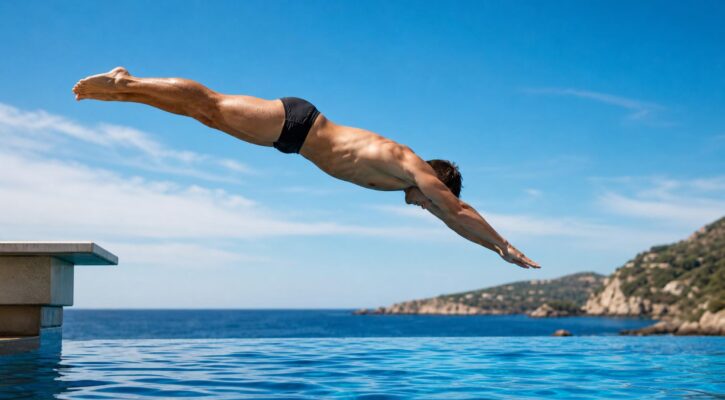
Diving Deep: Exploring the Impact of Aquatic Sports on Mental Health
July 14, 2026
Aquatic sports can positively influence mental health in various ways as supported by scientific data and first-hand accounts. Research clearly indicates that engagement in regular physical activity can help mitigate symptoms of mental health disorders such as depression, anxiety, and mood disorders.
Researchers from the University of Sao Paulo found in their 2018 study that swimming can reduce symptoms of depression and increase mood in sedentary individuals with depression. The researchers noted that improvements may be due to the social interaction that swimming can offer, as well as the aerobic exercise involved.
Another study published in the journal Sports Medicine suggests that aquatic exercise can help enhance sleep quality which, in turn, can improve mental health. Participants in the study who engaged in recreational swimming were reported to experience improved quality of sleep, arguably resulting in an increased mood, reduced anxiety, and enhanced overall mental health.
Aquatic sports are also known for their ability to reduce stress. This claim is backed by anecdotal evidence from individuals that engage in these sports. For example, open water swimmer Becky Horsbrugh says of her experience swimming in the sea, “The water wipes away everything that was in my mind before I got in and gives a mind-blowing sense of freedom.” Similarly, multi-awarded Olympian Michael Phelps spoke about how swimming helped him cope with his depression and saved his life.
There also seems to be a unique calming effect associated with being near or in water–a phenomenon author Wallace J. Nichols refers to as “Blue Mind” in his book of the same name. This implies that the benefits on mental health could partly stem from the psychological impact of interacting with water.
Several reasons could account for why aquatic sports are beneficial for mental health:
1. Physical Activity: Regular physical activity such as swimming increases the production of endorphins, known as the brain’s “feel-good” neurotransmitters. This results in a feeling of relaxation and optimism.
2. Social Interaction: Many aquatic sports involve interaction with others, leading to a sense of belonging and reduced feelings of loneliness. This can promote better mental health.
3. Stress Relief: The rhythmic nature of swimming and concentration required for coordinating movements can provide a distraction from stressors, helping to alleviate stress and anxiety.
4. Exposure to Nature: Outdoor aquatic sports like surfing, open water swimming, or canoeing provide exposure to natural surroundings which have been consistently linked with improved mental well-being.
5. Confidence Boost: Mastering new skills and seeing physical improvement can boost self-esteem and body image, which can contribute positively to mental health.
As a side note, it’s important to remember that while regular physical activity can improve mental health symptoms, it’s not a substitute for professional help. Anyone struggling with mental health issues should seek assistance from a healthcare provider or mental health professional.

Mastering the Mind: The Intersection of Chess and Cognitive Functions
June 3, 2026
Chess is a game that has been enjoyed worldwide for thousands of years and is often associated with high levels of intellectual ability. Research over the years has demonstrated that engaging in this strategic game can indeed offer numerous cognitive benefits and positive impact on various aspects of human intelligence. Here are a few areas where the impact can be seen:
1. Problem-solving: This game requires players to think several steps ahead and foresee the consequences of their actions. This requires and develops problem-solving skills, which are beneficial in many life scenarios.
2. Memory Improvement: Chess involves the memorization of different moves, strategies, and patterns. The practice of memorizing these elements can improve both short term and long term memory.
3. Cognitive Development: Numerous studies have shown that playing chess can lead to improved cognitive ability, with one study revealing an average 17-point IQ score increase among young students who received chess instruction.
4. Creativity Boost: Although chess often follows certain strategic principles, it also requires a level of creative and original thinking to out-maneuver opponents. This can potentially build and stretch a player’s creative abilities.
5. Advanced Planning and Foresight: Playing chess necessitates thinking ahead and planning moves in advance. This can enhance planning skills in general, and improve foresight and strategic thinking.
6. Enhanced Reading Skills: A study conducted by Dr. Stuart Margulies demonstrated that students who played chess demonstrated more improvement in reading skills compared to those who did not play.
7. Concentration: The game of chess requires deep concentration and focus. Players have to analyze the board, remember past moves, and plan future ones. This can greatly improve a person’s ability to concentrate well and for longer periods.
8. Emotional Intelligence: Chess helps players to manage their emotions as it requires patience, discipline, and coping with failure, all of which can enhance emotional resilience.
9. Mathematical Skills: Chess involves recognizing patterns, geometry on the chess board and strategic calculations which can enhance mathematical abilities.
10. Language Skills: Learning and playing chess often involves using specific vocabulary and linguistic structures that can enhance a player’s language skills and ability to communicate complex ideas.
In summary, chess can have a profound impact on human intelligence, cognitive functions and other aspects of mental capability. Although it’s a recreational game, its wide-reaching benefits should not be overlooked as a valuable tool for cognitive development.

Exploring Limits: Decoding the Psychology behind Extreme Sports
April 23, 2026
Extreme sports often involve high levels of physical exertion, skill and danger. However, it is not just the physical challenges that make these sports fulfilling and attractive for athletes, but various mental aspects as well. Some of the key mental aspects include a heightened sense of thrill, increased self-confidence, stress relief and improved concentration.
1. Seeking Thrill: Athletes indulge in extreme sports because they crave thrill and excitement in their lives. These sports provide an adrenaline rush that cannot be reproduced by regular sports. Athletes constantly push their boundaries to experience new levels of thrill and excitement thus risking their lives.
2. Boosting Self Confidence: Accomplishing difficult tasks boosts self-confidence and reinforces belief in one’s abilities. Extreme sports offer high-risk, high-reward situations where success directly translates into immense satisfaction and increased self-confidence.
3. Stress Relief: Extreme sports provide a great way to relieve stress. The adrenaline rush associated with these sports helps free the mind from day-to-day worries and elevates mood.
4. Improved Concentration: Extreme sports require intense focus and concentration. When athletes push their boundaries, they train their minds to filter out distractions and concentrate better on the task at hand.
5. Mastery and Progress: Extreme sports present opportunities for individuals to master skills. There is a continual learning process, because risks and challenges are continually evolving. Pushing boundaries and beating personal bests can bring a sense of progress and competency that can be very rewarding for athletes.
6. Risk Taking and Life Satisfaction: Engaging in extreme sports can create a positive attitude towards risk-taking, and can increase overall life satisfaction. This can stem from overcoming fears and obstacles, thereby progressing and growing as individuals.
7. Mindfulness: Athletes often report that during their intense and risky sporting activities, they enter a state of flow or being in the present moment. This mindfulness can be intense and life-affirming, and athletes often seek to repeat or prolong this experience.
However, despite these positive benefits, it’s important to note that the increased risks involved in extreme sports can lead to serious injury or even death. Athletes must balance their mental drive to push boundaries with their safety and well-being. Always wearing suitable safety gear, ensuring proper training and conditioning before attempting these sports, and not pushing beyond the limits of safety are always important considerations.

Revolutionizing Fitness: 5 Unusual Sports You’ve Never Heard Of
March 13, 2026
Unconventional sports are those activities that break away from the typical games we are used to like football, basketball, or tennis. They offer a unique angle to fitness by incorporating different elements that challenge our bodies in new ways and keeping us engaged in exercises outside the usual gym routine. Here are some unconventional sports and how they can contribute to fitness:
1. Parkour: Originating in France, Parkour involves moving through an environment as quickly and efficiently as possible, using only the strength and abilities of the body. It’s a full-body workout that builds strength, agility, balance, and coordination.
2. Aerial Yoga: Also known as Anti-Gravity Yoga, it combines traditional yoga practices with movements from pilates and dance while using a hammock-like apparatus. It improves flexibility, strengthens muscles, and aids in releasing tension in the bones and muscles.
3. Paddleboarding: This activity combines the strength of paddling with the balance and strategy of surfing. It’s a full-body workout that enhances balance, strengthens the core, and builds endurance.
4. Sepak Takraw: Played in Southeast Asia, this game is similar to volleyball but players use their feet, head, knees, and chest to hit the ball. It promotes agility, leg strength, coordination, and flexibility.
5. Slacklining: This is similar to tightrope walking where a flat webbing is set up between two points and walked across. It improves mental focus, balance, and core strength.
6. Roller Derby: It’s a team sport where players skate around a track and score points by passing opponents. Roller derby offers a high-energy cardio workout, builds strength, enhances agility, and promotes teamwork.
7. Underwater Hockey: This is a breath-holding sport that develops swimming skills, agility, coordination, and teamwork. It also enhances cardiovascular and muscular strength and is a great way to build lung capacity.
8. Bossaball: A game that includes elements of volleyball, soccer, and gymnastics, all on an inflatable court with trampolines. It provides a full-body workout, improves balance, coordination, agility, and reaction time.
These unconventional sports not only provide physical benefits but also mental benefits. They stimulate our brain by learning new skills and strategies, help manage stress, and boost our mood and self-confidence. Moreover, they also make exercise more fun, thereby improving one’s commitment to a regular fitness routine.

7 Unconventional Sports That Will Keep You Fit and Entertained
November 2, 2025
Unconventional sports are known for their unique rules and playing conditions which require a different set of physical and mental abilities. Let’s explore some of them:
1. Chess Boxing: This unusual mix of brain and brawn challenges players in alternating rounds of chess and boxing. It requires both physical training for boxing and mental agility for chess. Players win either by knockout in boxing or checkmate in chess.
2. Underwater Hockey: Popular in countries like Australia and New Zealand, two teams compete underwater in swimming pools, trying to manipulate a puck into the opponent’s goal. It develops lung function, team coordination, and a unique underwater spatial awareness.
3. Parkour: An urban sport that involves moving from point A to point B as efficiently as possible using gymnastics-like movements over, under, and around obstacles. Apart from physical fitness, it requires quick decision making, creativity, and resilience.
4. Wingsuit Flying: This extreme sport requires jumping from a high location, typically with a modified jumpsuit with wings. It requires immense adrenaline and mental strength, physical control, and the ability to remain calm under pressure.
5. Sepak Takraw: Known as kick volleyball, this Southeast Asian sport is played with a woven ball. Players must use their feet, knee, chest, or head to touch the ball. It requires agility, flexibility, and coordination.
6. Slacklining: This sport requires balancing on a tensioned length of flat webbing. Apart from physical balance and training, it requires intense concentration, calm, and mental resilience to keep one’s balance while walking on a narrow, shaking line.
7. Bossaball: A sport that combines elements of volleyball, football, gymnastics, and capoeira, all on a trampoline. It tests athletes’ agility, aerial control, and teamwork.
8. Zorbing: Players roll downhill inside an orb, usually made of transparent plastic. Though it may seem light-hearted, it can be a tough physical workout and requires courage.
9. Skijoring: Originally a mode of winter transport, it is now a competitive sport where a person on skis is pulled by a horse, a dog or a motor vehicle. It requires excellent skiing skills, balance, power, and a unique mental connect with the animal involved.
10. Hobby Horsing: Originated in Finland, participants simulate traditional equestrian events like show jumping and dressage with hobby horses. A good way to develop physical strength and coordination, it also involves creativity, dedication, and the ability to work in a team.
While these unconventional sports might seem ridiculous to some, they provide an alternative for people who might not feel drawn to traditional sports. Despite their diversity, they all involve physical exertion, strategic thinking, and mental strength, proving that the world of sport is as imaginative and varied as human nature itself.

5 Refreshing Yoga Poses to Boost Your Morning Energy
September 20, 2025
1. Sun Salutations (Surya Namaskar)
This series of poses, also known as Surya Namaskar, is an integral part of many yoga traditions. It combines deep breathing with stretching and strengthening postures, creating an invigorating start to the day.
– Begin by standing tall with feet hip-width apart. Place your hands in prayer position at your heart.
– Inhale as you stretch your arms up overhead. Exhale as you swan dive forward over your legs.
– Inhale and lift up halfway.
– Exhale into downward facing dog.
– Inhale as you move into the plank pose. Exhale down into chaturanga.
– Inhale into upward facing dog. Exhale back into downward facing dog.
– Repeat this flow as many times as needed to awaken and energize your body.
2. Downward Facing Dog (Adho Mukha Svanasana)
This pose stretches the entire body, while strengthening the arms, shoulders, and legs and calming the mind.
– Start on all fours, hands shoulder-width apart and knees hip-width apart. Pushing back from your hands and feet, lift your hips high into the air.
– Keep your back straight and press your heels towards the ground. Make sure your head is between your arms.
– Hold this position for 5-10 breaths, focusing on the energizing effect of the pose.
3. Warrior I (Virabhadrasana I)
The Warrior I pose is a powerful pose that stimulates the entire body and focuses the mind.
– Step your right foot forward between your hands, pivot on your left foot and rotate your torso to face forward.
– Raise your arms above your head, palms facing each other.
– Keep your gaze forward, or look up at your hands. Breathe deeply and hold the pose for several breaths before switching sides.
4. Tree Pose (Vrikshasana)
Tree pose improves balance, focus, and mental clarity.
– Stand tall with your feet hip-width apart.
– Shift your weight onto your right foot and bring the sole of your left foot to the inside of your right thigh or calf.
– Once balanced, bring your hands together in front of your heart or raise them above your head.
– Focus your gaze on a non-moving point in front of you and breathe deeply. Repeat on the other side.
5. Bridge Pose (Setu Bandha Sarvangasana)
Bridge pose stretches and strengthens the back and legs, making it a fantastic way to wake up the body.
– Lie on your back with your knees bent and feet flat on the ground, hip-width apart.
– Rest your arms beside your body, palms down.
– Lift your hips and spine off the floor, pushing through your feet. Interlace your fingers underneath your body, if possible.
– Spend a few breaths in this pose and then slowly roll the spine back down to the ground.
All these poses provide a boost of energy, stimulate the body, and bring a sense of calmness and focus to the mind, making them great additions to a morning yoga routine.
3 Exercises to Shoulder Pain and Bicep Tendinitis
August 13, 2024
 Title: Triumvirate of Rehabilitation Exercises for Shoulder and Bicep Pain: A Lifelong Healing Course
Introduction
Whether resulting from injury, long-term wear and tear, or an acute strain, shoulder and bicep pain can be debilitating, and its influence on daily chores, work, leisure activities, and quality of life can be immense. Fortunately, advancements in physical therapy have paved the way for several efficient rehabilitation exercises that can alleviate discomfort, restore mobility, and significantly reduce the pain of a shoulder or bicep injury. This article details three fundamental rehabilitation exercises, aimed at promoting a speedier recovery and a return to an active lifestyle.
1) Resistance Band Exercise
Resistance bands are a great tool for physiotherapy due to their versatility and suitability for people of all strength levels. The exercises targeting shoulder and bicep pain primarily focus on restoring strength, flexibility, and promoting muscle healing.
i) Shoulder External Rotation: Attach the band to a doorknob, grip the band with the affected arm and stand sideways to the door. Begin with the elbow bent at 90 degrees and the forearm across your abdomen, then slowly rotate the shoulder to pull the band away from your body. Gradually extend as far as it is comfortable, hold for 1-2 seconds and return to the starting position slowly.
ii) Bicep Band Pulls: Stand on the band and hold it with an underhand grip. Keeping your elbow close to the body, slowly pull your hand towards the shoulder, hold for 1-2 seconds, and then slowly lower your arm to the full extension.
2) Range-of-motion exercises
The key to resuming regular body functions is improving the shoulder’s and bicep’s flexibility and range of motion impacted by the injury or ongoing pain. These exercises strive to regain this freedom of movement.
i) Pendulum exercise: Lean forward, supporting your non-affected arm on a table or the back of a chair. Allow your affected arm to hang down, then gently swing this arm forward and back, then side to side, and finally in circular movements.
ii) Wall crawls: Stand roughly 2-3 feet away from the wall, facing towards it. Reach out and touch the wall at waist level with the fingertips of your affected arm. Slowly walk your fingers up the wall, spider-like, until you’ve lifted your arm as high as comfortably possible. Lower slowly, repeating this movement multiple times daily.
3) Strengthening exercises
Finally, once pain and swelling have been managed, it’s critical to further support recovery with exercises that will rebuild the strength of the shoulder and bicep muscles to avoid future injuries.
i) Scapular Squeezes: Stand or sit with your back straight. Keep your arms relaxed by your sides, then draw your shoulder blades back and down as if you’re trying to squeeze a tennis ball between them. Hold for a few seconds then relax.
ii) Dumbbell curl: Stand with a weight in your hand, palm facing forward. Keeping the elbow close to the body, slowly bend your elbow to lift the weight up towards the shoulder, then control the weight as you slowly lower it back down.
Remember: Less is More
For all these exercises, remember that quality is more important than quantity. It is essential to conduct these movements under suitable professional guidance, especially if you are in the early stages of rehabilitation. Don’t rush through any of these exercises. Instead, pay close attention to your form, and make sure you are performing these movements correctly. Remember, rushing could lead to further injury – so take it easy.
Wrapping Up
Shoulder and biceap pain can be limiting and often insidious. However, with perseverance, patience, and consistency, it’s manageability, and subsequent eradication, can be achieved via these rehab exercises. By incorporating resistance bands, range-of-motion, and strengthening exercises into a daily or weekly routine, a sustainable recovery can be made. Always consult a physical therapist or healthcare professional who can provide a tailor-fit program that caters to the specific nature and scale of the patient’s shoulder and bicep pain.
The “A” Technique Applied to Football
June 1, 2016
Be A Better Player With These Top Football Tips
 When you play football, not many other games will compare. It is a fast and furious sport that is just so much fun. To get better for playing more in the field, you must know what you’re doing. Read the article below to find out more.
Football is a team sport. You must be a good friend and teammate to others. Do not hog the ball by trying to pretend that you are a great “football star.” You should play as a member of the team.
Remember the rule of safety first applies to all things, even football. Whether you are training at the gym, practicing, or playing, you must remain safe. Always wear the proper safety equipment, no matter what you are doing.
It’s just about impossible to learn every strategy in football. You do not need to be the fastest or the strongest, you just need to be able to outwit the opponent. If you can’t physically beat them, use your mind to do it.
A wonderful tip when you’re a receiver or running back is to learn to stiff arm. A stiff arm strategy can buy you time and yards in a crunch, and can completely protect you from a defending player. All you do is stick your arm out straight.
A kicker should have the ability to kick a field goal from 50 yards. It’s important to work on building up your strength, and you can do this with weight lifting. The other important factor is high flexibility. Be sure to stretch regularly every day to become and remain flexible.
Always be a good team player. People who want to be pro stars have a hard time remembering the team at times, but it is a must. It takes the effort of the entire team to win games. You’re not a good player if you cannot recognize the contributions from your team and accept the fact that teamwork produces better results.
Speed is very important for receivers. To improve your speed, define a practice running area. Place two cones approximately 10 yards apart. Sprint from cone to cone and keep track of how long it takes. Try to get faster and faster with each repetition. This kind of sprinting can help you boost your takeoff speed.
It is foolhardy to play during extreme weather conditions. Sure, football is often played in all kinds of weather. This means snow, sleet and rain too. If it is not safe, they will return later. You need to do the same. Playing in poor conditions can cause broken bones and painful sprains.
If playing in college is your goal, create a highlight reel. Get footage that highlights your speed, agility, strength, dexterity and accuracy. Include as much as you can, in order to show how well-rounded you are.
Live confidently. This confidence helps in any type of sport, but can be very powerful when playing football. By being confident in your abilities, your game can take off and really help your teammates perform better. You can also make opponents feel threatened. Either way, you’re giving your team a boost psychologically.
Keep building up your stamina over time. If you can stay in action without getting too winded, you increase your chances of being a team asset. If you do lose your breath, slow down and then breathe more deeply. Know it will just take a few minutes before you’re better and can return to the game.
Give yourself a break from football once in a while. Though loving a sport is certainly a great thing, it should not encompass your entire personality. In addition, taking a day or two away from the game might afford you a different perspective, and help you to continue to love the game, especially when you come back after a short break.
Work on training yourself mentally, too. Sit down and do visualization exercises of you playing. Practice in the mind can improve your real-life game play. Imagine yourself tackling your opponents, or making a great catch. You may find yourself doing it in the real game.
Always have fun when you are on the field. Without the love of the game, there isn’t much reason to be on the field. Try focusing on having fun when you’re on the field, instead of worrying about winning or losing. This helps you build up a passion for the game.
Keep in mind that when you run down a field or reach down to pick up a ball, the action originates in your mind. Psychology can make a huge difference in the sport. Your mental preparation and ability is what enables your peak physical performance, ultimately determining your success as a player.
Do parallel squats to build strong leg muscles; it will increase your speed. This will correctly build muscle and strengthen your legs. This will make you quicker, more explosive and hit much harder on the field.
It’s essential to stay properly hydrated. Practice is necessary in able to become a great football player. Don’t fill up on soda and other drinks that are loaded with sugar. They drink water or hydration drinks that contain electrolytes.
When performing a tackle you want to ensure that your head is up. You don’t want to crash into anyone with your helmet top. This is called spearing. It is illegal and can cause severe injury.
Now that you’ve read this entire article, you can start implementing what you’ve learned. The more effort that’s put into training, the better your results will be. Apply these tips to your training schedule to be a successful player.